Benefits of Cold Water Therapy
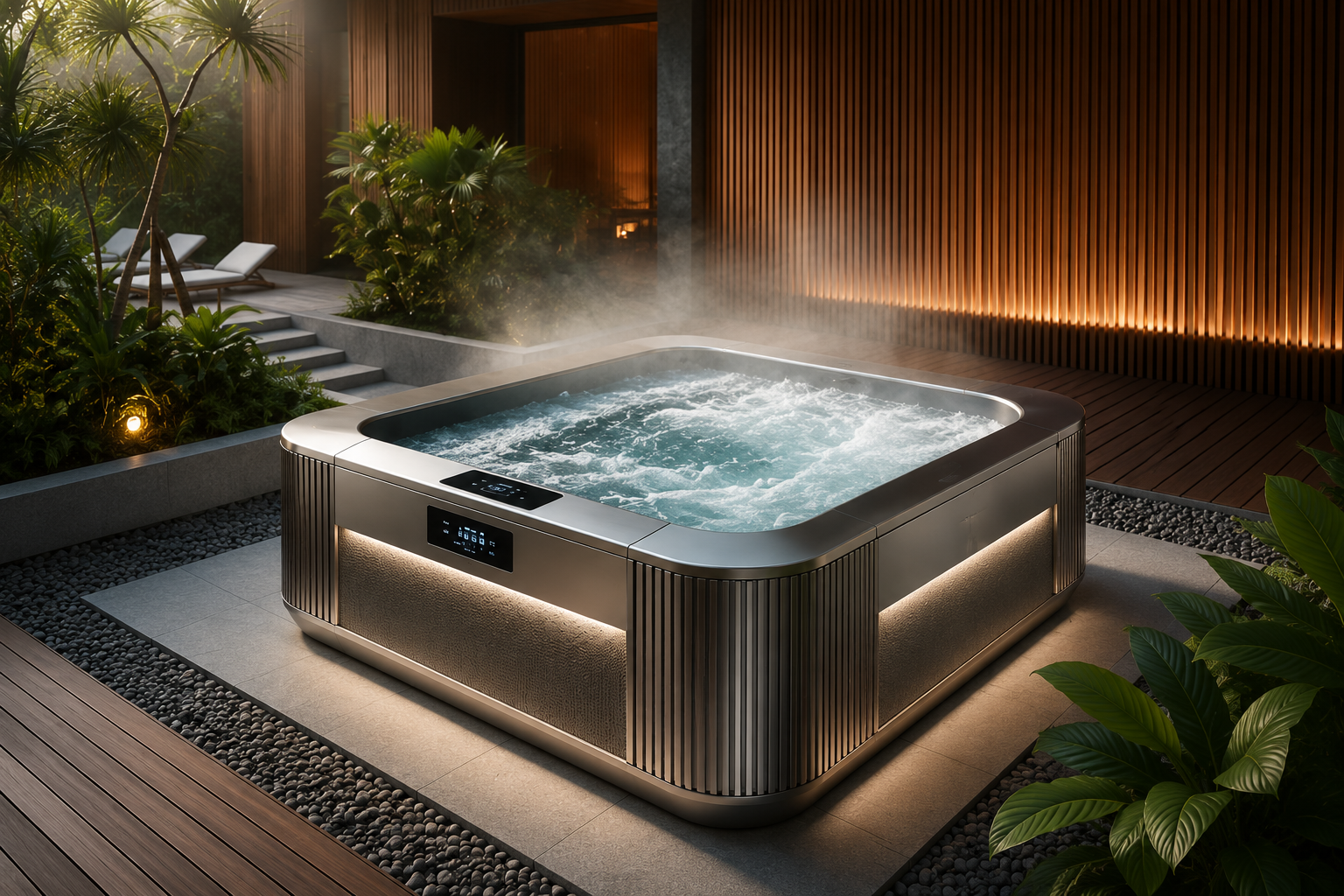
Cold water therapy has rapidly evolved from an athlete recovery technique into one of the most popular wellness practices in modern health culture. From cold plunge tubs and ice baths to cold showers and contrast therapy, people are increasingly turning to cold exposure as part of their recovery and wellness routines.
Advocates of cold water therapy often report benefits such as:
- improved recovery,
- increased mental clarity,
- enhanced energy,
- reduced muscle soreness,
- and improved resilience to stress.
But what exactly is cold water therapy, and why has it become such a major part of modern wellness?
In this guide, we’ll explore the science, benefits, and best practices behind cold water therapy and why many wellness-focused individuals are integrating it into their daily routines.
What Is Cold Water Therapy?
Cold water therapy refers to intentional exposure to cold temperatures for wellness or recovery purposes.
Common forms include:
- cold plunge tubs,
- ice baths,
- cold showers,
- cryotherapy,
- contrast therapy (hot and cold exposure).
Most cold plunge tubs are typically maintained between:
- 37°F and 55°F.
Exposure times usually range from:
- 2 to 10 minutes,
depending on experience and tolerance.
1. Supports Muscle Recovery & Reduced Soreness
One of the primary reasons athletes use cold water therapy is for post-exercise recovery.
Cold exposure may help:
- temporarily reduce muscle soreness,
- support recovery after intense exercise,
- decrease feelings of fatigue,
- support post-workout rejuvenation.
Cold temperatures cause blood vessels to constrict temporarily. After leaving the cold environment, circulation gradually increases again, which many believe contributes to recovery benefits.
Common Uses
Cold plunge therapy is often used after:
- strength training,
- endurance workouts,
- sports performance,
- sauna sessions,
- physically demanding workdays.
2. May Help Reduce Stress & Improve Mental Resilience
Cold exposure can be mentally challenging — and that challenge is part of the appeal.
Many people describe cold water therapy as:
- energizing,
- mentally clarifying,
- resilience-building,
- emotionally grounding.
Controlled cold exposure encourages calm breathing and mental focus during discomfort, which may help strengthen stress-management habits over time.
Why People Enjoy It
Cold plunges often create:
- heightened alertness,
- improved mood,
- a feeling of accomplishment,
- increased mental sharpness afterward.
For many users, it becomes both a physical and mental wellness practice.
3. May Increase Alertness & Energy
One of the most noticeable immediate effects of cold water therapy is increased wakefulness.
Cold exposure stimulates the body’s natural stress response, which may temporarily increase:
- alertness,
- focus,
- heart rate,
- circulation.
Many users incorporate cold plunges or cold showers into:
- morning routines,
- workout preparation,
- productivity rituals.
Common Wellness Routine
A popular routine includes:
- Morning cold plunge
- Breathwork
- Hydration
- Light movement or stretching
This combination is increasingly common in performance and wellness communities.
4. Encourages Circulation & Recovery
Alternating between hot and cold environments — often called contrast therapy — has become a major wellness trend.
For example:
- infrared sauna,
followed by: - cold plunge immersion.
The temperature contrast creates repeated expansion and constriction of blood vessels, which may support circulation and recovery.
Many wellness enthusiasts report feeling:
- refreshed,
- energized,
- mentally reset,
- physically recovered after contrast sessions.
5. May Support Better Mood
Some research suggests cold exposure may positively influence mood and feelings of well-being.
Possible contributing factors include:
- increased alertness,
- endorphin release,
- nervous system stimulation,
- accomplishment and resilience effects.
Many users describe cold plunges as:
- mentally refreshing,
- emotionally balancing,
- mood-enhancing.
Cold therapy has also become closely associated with mindfulness and intentional wellness routines.
6. Builds Discipline & Wellness Consistency
One underrated benefit of cold water therapy is behavioral.
Cold exposure requires:
- intentionality,
- consistency,
- mental control,
- routine-building.
For many people, maintaining a regular cold plunge routine becomes part of a broader commitment to:
- healthier living,
- fitness,
- recovery,
- stress management,
- long-term wellness.
This psychological effect is one reason cold therapy has become popular far beyond athletics.
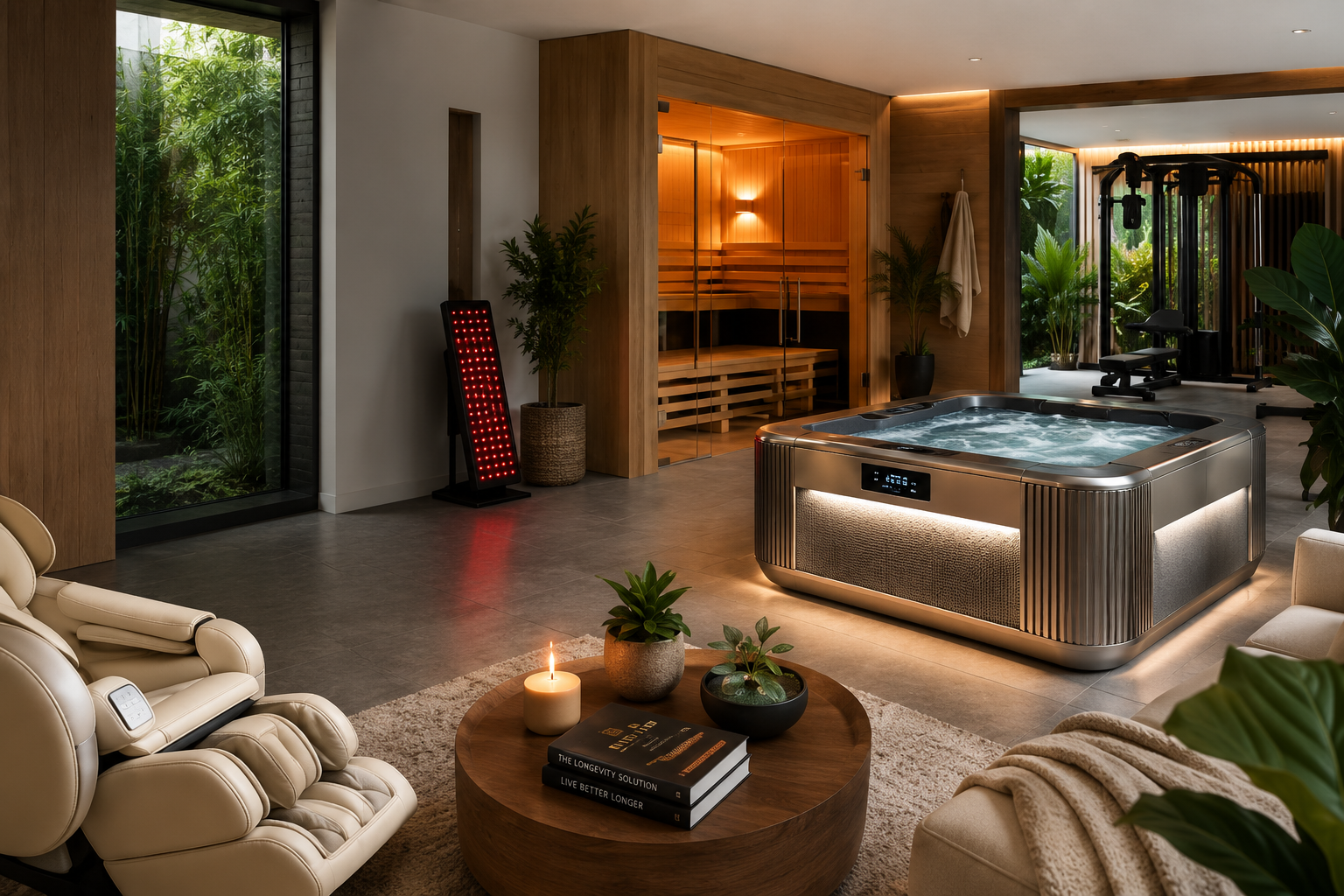
7. Complements Modern Home Wellness Spaces
Cold plunge tubs are increasingly being integrated into:
- luxury homes,
- home gyms,
- recovery rooms,
- spa-inspired wellness spaces.
Many homeowners now pair:
- infrared saunas,
- cold plunges,
- massage chairs,
- red light therapy,
- mobility equipment,
into complete recovery environments.
The trend reflects a growing shift toward proactive wellness and recovery-focused living at home.
Best Practices for Cold Water Therapy
If you’re new to cold exposure, it’s important to start gradually.
Beginner Guidelines
- Start with short sessions (1–3 minutes)
- Use moderate cold temperatures initially
- Focus on slow breathing
- Avoid forcing extreme exposure too quickly
- Warm up naturally afterward
Typical Cold Plunge Range
- Beginners: 50°F–59°F
- Intermediate: 45°F–50°F
- Advanced: below 45°F
Consistency matters more than extreme cold.
Is Cold Water Therapy Safe?
Cold water therapy is generally considered safe for healthy individuals when practiced responsibly.
However, people with:
- cardiovascular conditions,
- respiratory issues,
- certain medical conditions,
should consult healthcare professionals before beginning cold exposure routines.
Important safety tips:
- never stay in too long,
- avoid hyperventilation,
- never plunge alone if inexperienced,
- exit immediately if feeling dizzy or unwell.
Final Thoughts
Cold water therapy has become one of the defining wellness practices of modern recovery culture.
Whether used for:
- post-workout recovery,
- mental resilience,
- stress management,
- increased energy,
- or creating a premium home wellness routine,
cold exposure offers a powerful and refreshing addition to modern self-care.
As wellness increasingly focuses on proactive recovery and intentional living, cold plunge therapy continues to grow as both a physical and mental wellness ritual.
References & Research
- Tipton MJ, et al. “Cold Water Immersion: Kill or Cure?” Experimental Physiology (2017).
- Bleakley C, Davison G. “What Is the Biochemical and Physiological Rationale for Using Cold Water Immersion in Sports Recovery?” British Journal of Sports Medicine (2010).
- Harvard Health Publishing — “Can Taking a Cold Shower Every Day Keep You Healthy?”
- Huttunen P, et al. “Health Effects of Winter Swimming and Sauna Bathing.” International Journal of Circumpolar Health (2004).
- Stanford Lifestyle Medicine — “The Science Behind Cold Exposure and Recovery.”

Leave a comment
This site is protected by hCaptcha and the hCaptcha Privacy Policy and Terms of Service apply.