
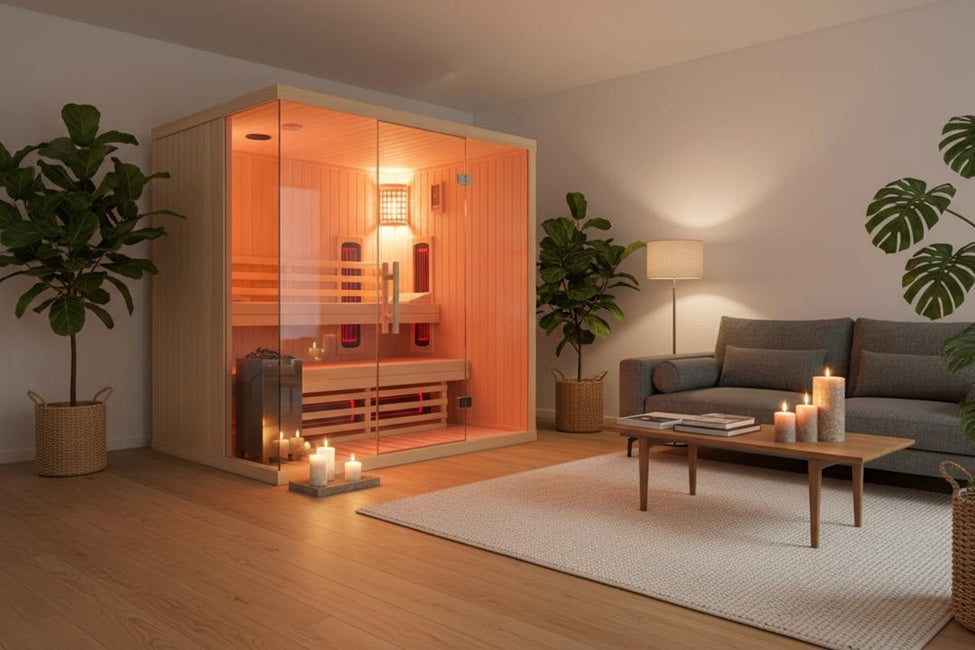
Benefits of Infrared Sauna Therapy
Infrared sauna therapy has become one of the fastest-growing trends in modern wellness — and for good reason. From recovery and relaxation to circulation and stress management, infrared saunas are increasingly being integrated into luxury homes, fitness spaces, and recovery routines.
Unlike traditional saunas that heat the air around you, infrared saunas use infrared light waves to gently warm the body directly. This creates a more comfortable and deeply penetrating heat experience that many users find easier to tolerate for longer sessions.
In this guide, we’ll explore the key benefits of infrared sauna therapy, how it works, and why so many people are incorporating it into their long-term wellness routines.
What Is an Infrared Sauna?
Infrared saunas use infrared heaters to emit radiant heat that penetrates the skin and body tissues directly. Most infrared saunas operate at lower ambient temperatures than traditional steam saunas, typically ranging between 110°F and 140°F.
This style of heat exposure allows users to experience deep warmth and perspiration without the extremely high temperatures associated with conventional saunas.
There are generally three categories of infrared wavelengths used:
- Near Infrared (NIR)
- Mid Infrared (MIR)
- Far Infrared (FIR)
Many modern infrared saunas combine all three to provide a more comprehensive wellness experience.
1. Supports Relaxation & Stress Reduction
One of the most immediate benefits people notice is deep relaxation.
The gentle radiant heat helps encourage:
- muscle relaxation,
- nervous system calming,
- reduced physical tension,
- mental decompression.
Heat exposure may also help stimulate parasympathetic nervous system activity — often referred to as the body’s “rest and recover” state.
For many users, regular sauna sessions become part of a nightly unwinding routine similar to meditation or breathwork.
Why This Matters
Chronic stress can affect:
- sleep quality,
- recovery,
- mood,
- energy levels,
- overall wellness.
Creating dedicated moments for relaxation can have meaningful long-term benefits for physical and mental well-being.
2. May Improve Circulation
As body temperature rises during sauna use, blood vessels naturally dilate in response to heat exposure. This process can temporarily increase circulation throughout the body.
Improved circulation may help:
- support oxygen delivery,
- assist muscle recovery,
- promote relaxation,
- create a warming, rejuvenating effect.
A review published in the Mayo Clinic Proceedings noted that sauna bathing may positively influence vascular function and cardiovascular wellness when used consistently as part of a healthy lifestyle.
3. Supports Muscle Recovery & Physical Performance
Infrared sauna therapy is widely used among:
- athletes,
- fitness enthusiasts,
- active professionals,
- recovery-focused wellness users.
The heat may help relax muscles and temporarily reduce feelings of stiffness after exercise or physical strain.
Some users incorporate sauna sessions:
- after strength training,
- following endurance workouts,
- during recovery days,
- alongside cold plunge therapy.
Common Recovery Routine
A growing trend in wellness involves combining:
- Heat exposure (sauna)
- Cold exposure (cold plunge)
- Breathwork & hydration
This contrast therapy approach is increasingly popular among performance and longevity communities.
4. Encourages Sweating & Detox Support
Sweating is one of the body’s natural cooling and cleansing mechanisms.
Infrared saunas often produce a deep, comfortable sweat response at lower temperatures compared to traditional saunas.
While the term “detox” is often overused in wellness marketing, sweating can support the body’s normal elimination processes and may leave users feeling refreshed and rejuvenated afterward.
The primary wellness benefit here is often:
- improved relaxation,
- skin cleansing,
- increased circulation,
- post-session rejuvenation.
5. May Promote Better Sleep
Many users report improved sleep quality after evening infrared sauna sessions.
Possible reasons include:
- reduced stress levels,
- muscle relaxation,
- calming body temperature shifts after the session,
- nervous system regulation.
Building consistent evening wellness rituals can contribute to healthier sleep habits over time.
Wellness Tip
For many users, the ideal routine includes:
- sauna session,
- hydration,
- reduced screen exposure,
- calming lighting,
- stretching or meditation afterward.
6. Supports a Luxury Home Wellness Lifestyle
One of the biggest reasons infrared saunas have become increasingly popular is their ability to transform ordinary spaces into restorative wellness environments.
Modern home infrared saunas are now commonly integrated into:
- home gyms,
- spa-style bathrooms,
- recovery rooms,
- luxury wellness spaces,
- longevity-focused homes.
Beyond the physical experience, they help create intentional daily wellness rituals that encourage consistency and self-care.
7. Lower Heat, More Comfortable Experience
Compared to traditional saunas, many people find infrared saunas:
- easier to tolerate,
- less overwhelming,
- more accessible for longer sessions.
Traditional saunas may exceed 180°F, while infrared saunas often operate at significantly lower temperatures.
This allows many users to remain in the sauna longer while still experiencing substantial sweating and warmth.
Are Infrared Saunas Safe?
Infrared saunas are generally considered safe for healthy adults when used responsibly.
However:
- hydration is essential,
- sessions should be kept moderate,
- individuals with medical conditions should consult healthcare professionals before use.
Typical beginner sessions range from:
- 10–20 minutes,
- 2–4 times per week.
Users should always listen to their bodies and avoid overheating.
Final Thoughts
Infrared sauna therapy is about more than heat — it’s about creating intentional moments for recovery, relaxation, and long-term wellness.
Whether used for:
- post-workout recovery,
- stress management,
- relaxation,
- circulation support,
- or creating a premium wellness lifestyle at home,
infrared saunas continue to become a cornerstone of modern recovery and longevity-focused living.
As wellness increasingly shifts toward proactive daily habits, infrared sauna therapy offers a calming and accessible way to support both body and mind.
References & Research
- Laukkanen T, et al. “Sauna Bathing Is Inversely Associated With Dementia and Alzheimer’s Disease.” Age and Ageing (2017).
- Hussain J, Cohen M. “Clinical Effects of Regular Dry Sauna Bathing: A Systematic Review.” Evidence-Based Complementary and Alternative Medicine (2018).
- Mayo Clinic Proceedings — “Cardiovascular and Other Health Benefits of Sauna Bathing.”
- Harvard Health Publishing — “Sauna Use Linked to Improved Health Outcomes.”
- Beever R. “Far-Infrared Saunas for Treatment of Cardiovascular Risk Factors.” Canadian Family Physician (2009).

Leave a comment
This site is protected by hCaptcha and the hCaptcha Privacy Policy and Terms of Service apply.