Why Red Light Therapy Matters: Benefits, Science and Smarter Use
Understanding how targeted light may support skin, hair and recovery—and how to make it a thoughtful addition to your routine.
Red light therapy has moved from specialist settings into home wellness spaces. Its appeal is understandable: a non-invasive treatment that may improve certain skin concerns and support hair growth without surgery. But its value comes from using the right treatment for a clear goal—not simply spending more time under a red glow.
It is an optional tool, rather than a health requirement. Understanding its benefits and limits helps you decide whether it deserves a place in your routine.
What is red light therapy?
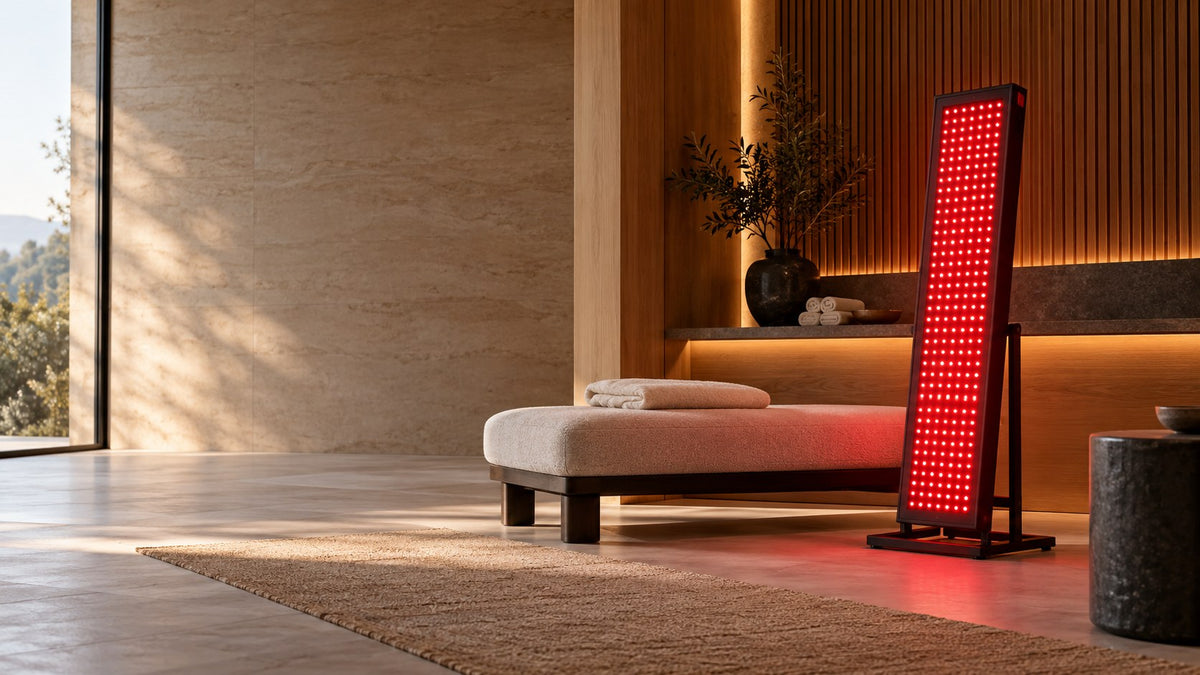
Red light therapy uses selected wavelengths of red or near-infrared light. The scientific term is photobiomodulation (PBM). Devices include masks, panels, and specialized hair-growth caps or combs. Near-infrared light is invisible; a visible red glow alone cannot tell you a device’s dose or effectiveness.[1][2]
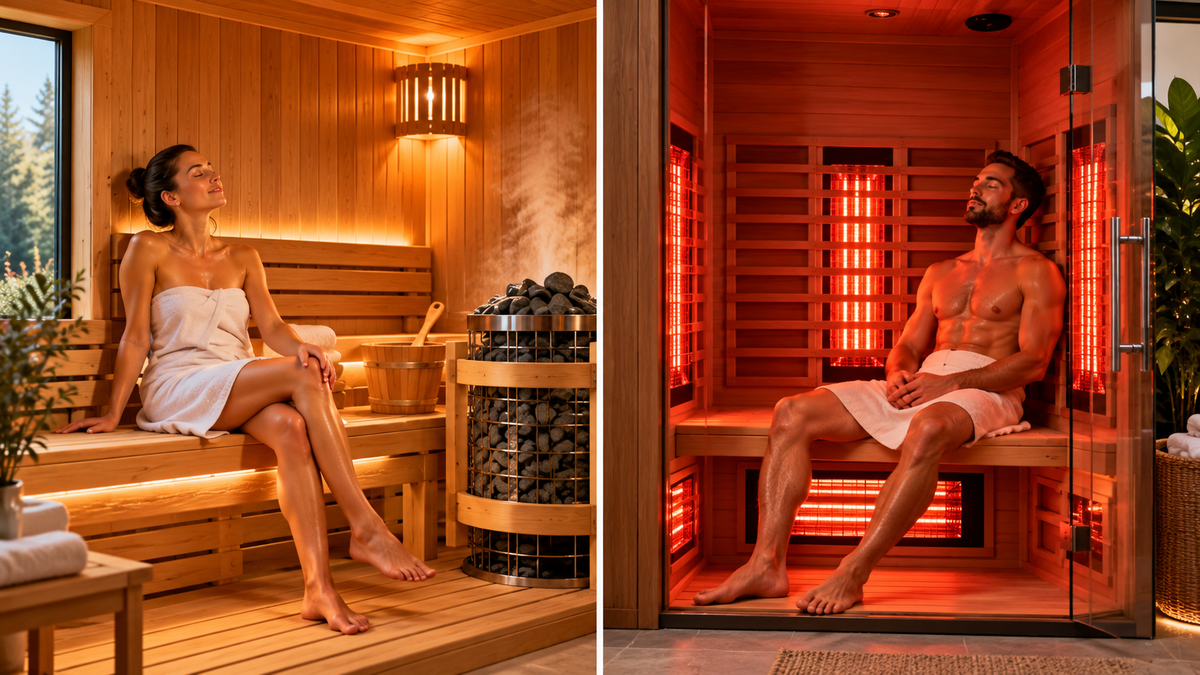
PBM aims to influence cell activity through absorbed light. It differs from a sauna, which primarily delivers heat, and from tanning, which exposes skin to ultraviolet radiation.
How can light affect the body?
Researchers study how light interacts with cellular components, including mitochondria—the structures involved in producing usable energy. Proposed effects include changes in ATP production and signals that influence inflammation and tissue repair. These mechanisms remain an active area of research; a cellular response does not automatically mean a noticeable health benefit.[2]
Three reasons people consider it
Skin appearance
A studied applicationSome trials report improvements in fine lines, skin roughness and collagen measurements.
Pattern hair loss
Evidence for specific devicesSome scalp-directed devices can improve hair density in selected people with hereditary thinning.
Exercise recovery
Promising, with uncertaintySome research suggests less soreness, but findings depend on the protocol and evidence quality.
1. Supporting gradual changes in skin appearance
A controlled study involving 136 volunteers reported improvements in skin appearance and collagen density with the tested light treatments. This helps explain interest in PBM for skin rejuvenation. The study had industry involvement, and its findings do not establish identical benefits for every home device.[3]
Expect gradual, potentially modest changes rather than an instant transformation. A light device can complement an appropriate skin-care plan; it does not replace sun protection.
2. Helping some existing hair follicles
Clinical trials of specific low-level laser devices have found increased hair density in men and women with pattern hair loss. That is different from creating new follicles or restoring every bald area. A diagnosis matters because hair loss has many causes.[4]
3. Exploring support for muscle recovery
A 2025 systematic review found low-certainty evidence that PBM applied before exercise reduced perceived muscle soreness at 24 hours. That is a reason for further study, rather than a promise of faster recovery for every user. Results from targeted research devices cannot automatically be transferred to full-body beds or panels.[5]
For an active lifestyle, sleep, adequate nutrition and sensible training remain the foundation. Consider light therapy an additional option with a specific purpose.
Why correct use matters as much as the device
There is no universal “best” session length. A treatment’s effect depends on wavelength, light delivered to the target, exposure time, distance and frequency. More light does not necessarily produce a better response.[2]
Choose thoughtfully and protect your eyes
Look for a device intended for your goal, with clear instructions and relevant clinical evidence. If FDA clearance is claimed, check that it concerns the exact model and intended use. A skin device and a hair-growth device serve different purposes.
Use the recommended eye protection whenever required. Speak with a clinician before treatment if you have a condition that causes light sensitivity or take medication that increases it. Stop and seek advice if you develop eye symptoms, burns or persistent irritation.[1]
A purposeful place in your wellness routine
The importance of red light therapy lies in its potential to offer another non-invasive option for selected goals. Its value is greatest when you understand the evidence, choose an appropriate device, and judge progress realistically.
Curious about the options? Explore the Red Light Therapy collection at Sauna Health Plus and review each product’s intended use and instructions before deciding.


Leave a comment
This site is protected by hCaptcha and the hCaptcha Privacy Policy and Terms of Service apply.